Entries by Heath Wood

Make The Most of Hunting the Rut

The rut, the period during which whitetail deer are in peak breeding season, is the most exciting and potentially rewarding time of the year for hunters. For whitetail enthusiasts, it’s the Super Bowl of the hunting season, when bucks are more active, less cautious, and often more visible during daylight hours. The rut provides hunters with opportunities that don’t come around during other parts of the season. As an older teenager, I recall hunting near my home during the Missouri firearms season. It was a cold, still morning, and I had a feeling that morning in my tree stand that at any minute, a buck would come crashing down the long-wooded ridge where I had positioned myself. At 7:45 a.m., my hunch came true as two does ran through the freshly fallen leaves, suddenly both stopping like a full-speed vehicle had hit its brakes. I honestly think the two does saw me jump with excitement, which made them stop dead in their tracks. Even though the two does were locked in on me, a nice eight-pointer came crunching behind in hopes of finding a girlfriend. I quickly put my crosshairs behind his front shoulder and gently squeezed the trigger. The buck bolted over the ridge, where twenty minutes later, I found him lying underneath a thick cedar tree. The quick, spur-of-the-moment action that morning is what many hunters dream of while hunting during the rut.

Understand the Phases of the Rut

The rut is typically exciting and full of action, which can catch hunters off guard if they don’t take full advantage of this special time of year. First, it is essential to understand what the rut consists of entirely. The rut is divided into several phases, each with its own characteristics and ideal hunting tactics.

Pre-Rut: Bucks are establishing dominance and working out the pecking order. They make scrapes and rubs, mark their territory, and actively check doe bedding areas to find does coming into heat. This phase is a great time to hunt near scrapes or use calls and scents to bring bucks in close. 

Seeking Phase: Bucks begin to roam more widely; they abandon the scrapes briefly while seeking out does starting to enter estrus. Bucks cover a lot of ground during this time, which means you’re more likely to see one cruising through an area. Sitting on the edge of thick cover or in travel corridors can be very productive.

Chasing Phase: This is when bucks lose a lot of their caution and become almost reckless, and it is one of my favorite times of the year to hunt. Bucks are actively chasing estrus does, sometimes right past the stand. Like my hunting experience, this phase can be thrilling but challenging, as bucks may be moving quickly. A hunter must be set up in places with good visibility and be ready for fast action.

Peak Breeding Phase (Lockdown): Bucks and does are often “locked down” together, meaning they’re bedded up in secluded spots. This can make hunting more difficult, but focusing on heavy cover or known doe bedding areas can help increase your chances.

Post-Rut: Bucks are worn out, hungry, and beginning to return to their typical bedding-to-feeding routines. They’re still interested in late cycling does, but they’re more cautious. This is an excellent time to set up near food sources as bucks try to recover lost weight and energy.

Scout Ahead, But Don’t Overdo It

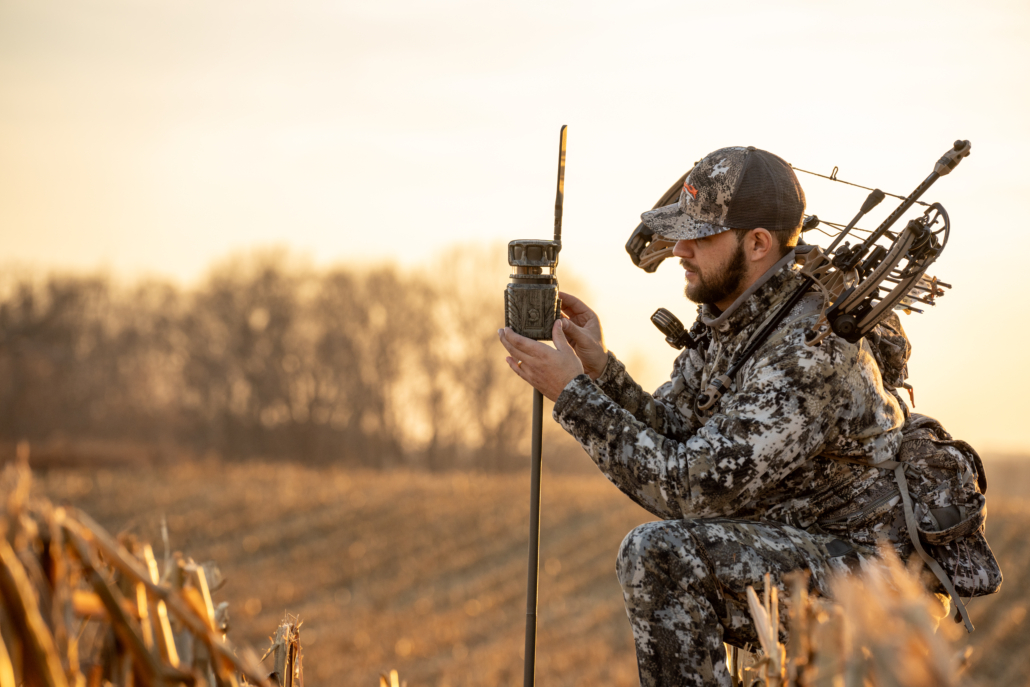
Scouting is crucial before and during the rut, but there’s a fine line between gathering intelligence and pressuring deer out of your area. Focus on finding fresh sign, such as scrapes, rub lines, and trails, without disturbing too much. Many hunters will use trail cameras, such as the Stealth Cam Revolver 360 camera, to see where bucks are moving, but consider positioning them on the periphery of bedding and feeding areas. This keeps you updated on deer activity without making frequent trips into their core areas.
Make The Most Of Hunting The Rut

Stay All Day

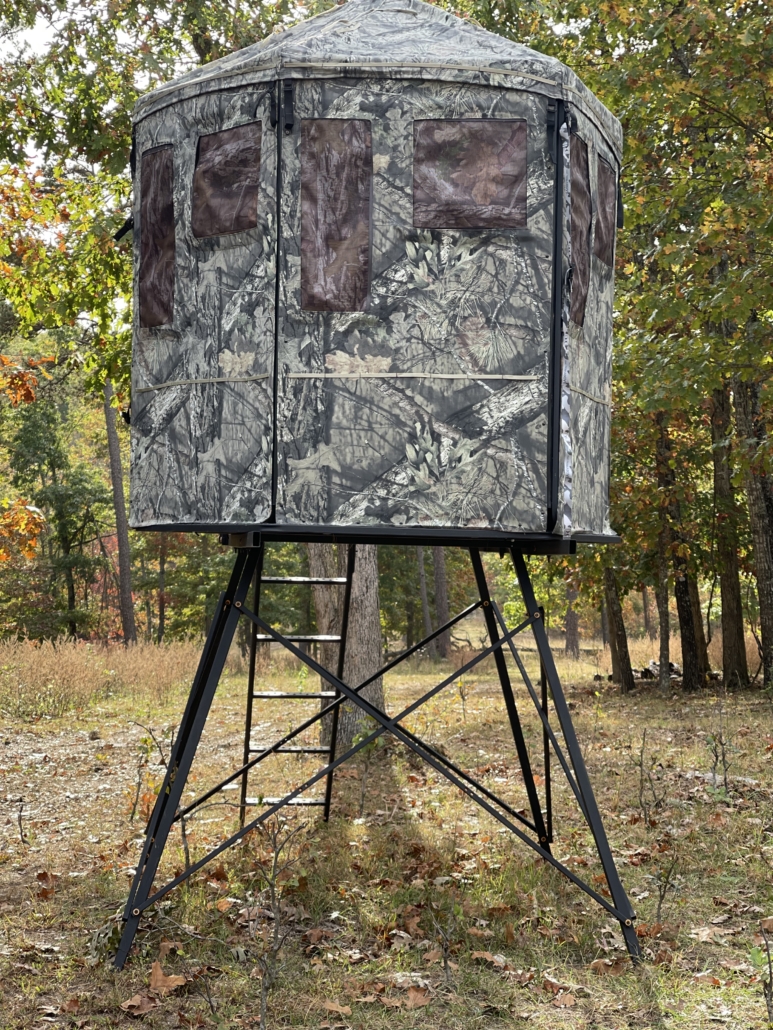
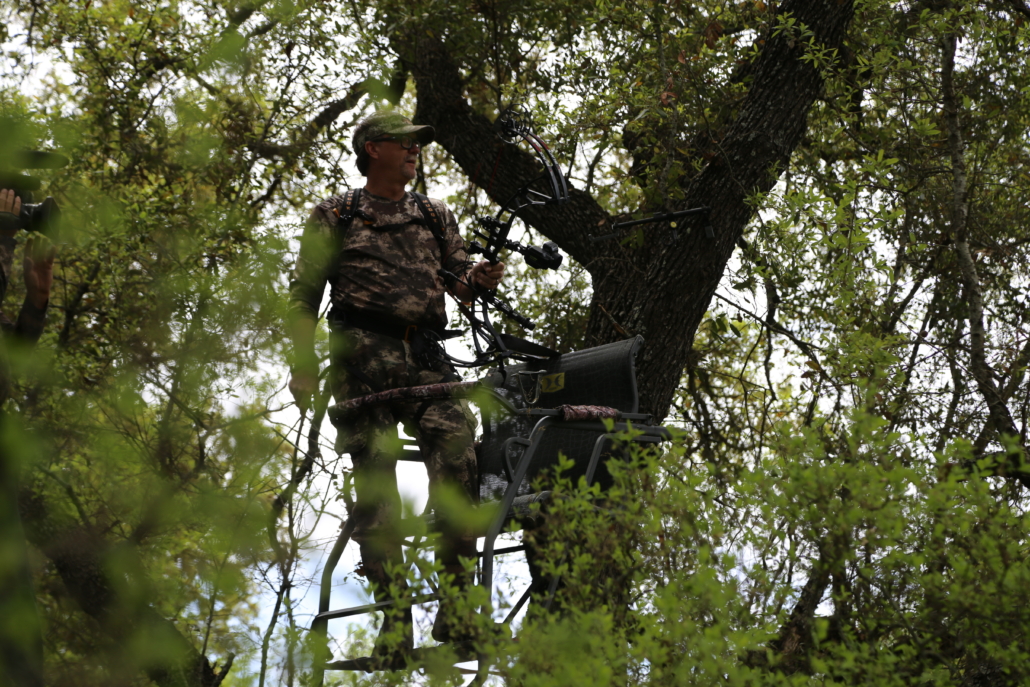
During the rut, it’s not uncommon for mature bucks to be moving at any time of day, especially during the chasing and peak breeding phases. While deer are typically more active at dawn and dusk, the rut is an exception. Bucks can be seen cruising in the late morning or even early afternoon. Pack a lunch, dress appropriately for the weather, and choose a comfortable stand like the Hawk Helium Pro Hang On. This allows the hunter to stay in the stand all day to maximize the chances of catching a mature buck on the move. Another comfortable option is a blind, such as the Hawk Down & Out Warrior Blind, which allows the hunter to stay out of the weather conditions and sit in a chair for extended periods.
Make The Most Of Hunting The Rut

Use Calls and Scents Strategically

Calling: Grunt calls, doe bleats, and rattling can be highly effective during the rut. However, timing and location matter. During the pre-rut and seeking phases, rattling, and aggressive calling can bring a curious or territorial buck right to you. But during the chasing and lockdown phases, bucks may be more interested in actual does and less responsive to calls. A few well-placed calls tend to work best rather than constant noise.

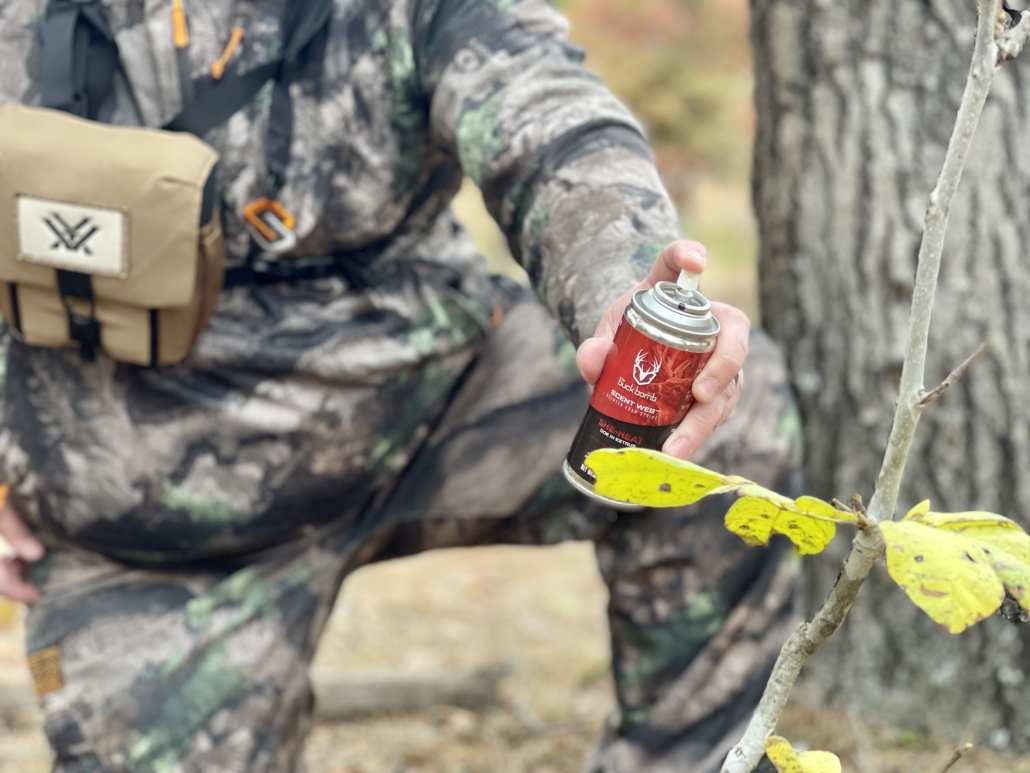
Scents: Using an estrus scent such as Buck Bomb’s Doe N Estrus Bomb can be a powerful attractant. The Buck Bomb can be sprayed on a scent wick, hung around your setup, or used as a drag rag to lay a scent trail as you walk to your stand. The Buck Bomb can also be dispersed continuously into the air to broadcast scent to a broader area.
Make The Most Of Hunting The Rut

Play the Wind and Be Patient

The excitement of the rut shouldn’t make you forget basic hunting principles, especially regarding wind direction. Bucks may be less cautious but won’t abandon their survival instincts during the rut. A wrong wind can still blow your cover. Carefully plan your entrance and exit routes to minimize scent and movement, and select stand locations based on the prevailing wind direction. Also, be sure to check the wind periodically throughout the hunt using milkweed or a windicator.

Focus on Doe Habits

During the rut, does dictate the bucks’ movements. Knowing where does feed, bed, and travel can give you a significant advantage. Bucks often spend time on the downwind side of these areas, hoping to catch the scent of a receptive doe. Set up along the edges of known doe bedding areas or feeding sites, and be ready for bucks cruising the area.

Keep Moving (But Smartly)

If you aren’t seeing deer, especially during the peak rut, don’t be afraid to relocate. Sometimes, moving to a new stand location, even by a few hundred yards, can make all the difference. Ground blinds and climber stands offer the flexibility to adjust quickly to changing deer activity. Still, avoid frequent moves within a single area, which can cause too much disruption. Look for fresh sign in neighboring areas or trails to gauge where bucks are currently active.

Stay Sharp and Ready

In the heat of the rut, things can happen fast. You may spot a buck at a distance, only to have him appear in shooting range within seconds. Staying alert and ready with minimal movement is crucial. Anticipate where bucks may appear, and practice moving as little as possible to avoid being noticed. If you hunt with a bow, stay in a position allowing a quick, controlled draw without significant movement.

Adapt Your Strategy Based on Rut Activity

Not every buck reacts the same way during the rut. Younger bucks may chase aggressively, while mature bucks can be more cautious or selective. If you’re seeing a lot of young bucks, it may be best to hold out and wait for a more mature animal. Be prepared to adapt your approach based on the type of rut activity you’re observing. For instance, if you see plenty of bucks cruising and checking scrapes, positioning along well-traveled routes might be best.

The rut only comes around once a year, and it’s every hunter’s opportunity to up their chances of tagging a mature buck. With a strategic approach and patience, the rut can be the most rewarding time to be in the woods. From understanding rut phases to using calls and decoys effectively, a well-planned rut strategy can differentiate between seeing a lifetime buck and heading home with just stories.
3 Ways To Successfully End Your Deer Season

As the curtain falls on another deer hunting season, hunters reflect on the challenges, successes, and moments that defined their pursuit of the majestic whitetail. Whether you’re in the season’s final days or have already closed your season, there are strategic ways to conclude your deer hunting journey on a satisfying note. Be it a […]

Should You Move Your Treestand During The Rut

The whitetail rut is a magical time for deer hunters. As the woods echo with the primal calls of rutting bucks and the scent of deer pheromones fills the air, it’s hard not to feel the rush of excitement. However, this period presents unique challenges for hunters, and one of the most debated questions is whether you should move your treestand during the rut.

In the modern era of cellular game cameras, it is more common than ever before for a hunter to receive information that a target-specific buck, or buck movement in general, is prominent in another area than where they are hunting. This data often leads to the hunter wanting to pack up their gear and make a move.

Does it spook deer to move a Treestand during the rut?

Moving your treestand during the rut can indeed create disruptions that may spook deer. The heightened awareness and sensitivity of bucks during this period mean that any disturbances are more likely to send them fleeing. However, there are ways to mitigate these risks.

Plan Ahead: If things don’t go as planned and you anticipate moving your stand, scout and prepare well in advance. Know what your hunting area looks like and where other stand areas could always be.  When you have decided that making a move will increase your chances of getting within shooting range of a mature buck, not having to search the area can minimize the amount of noise and scent associated with the move.

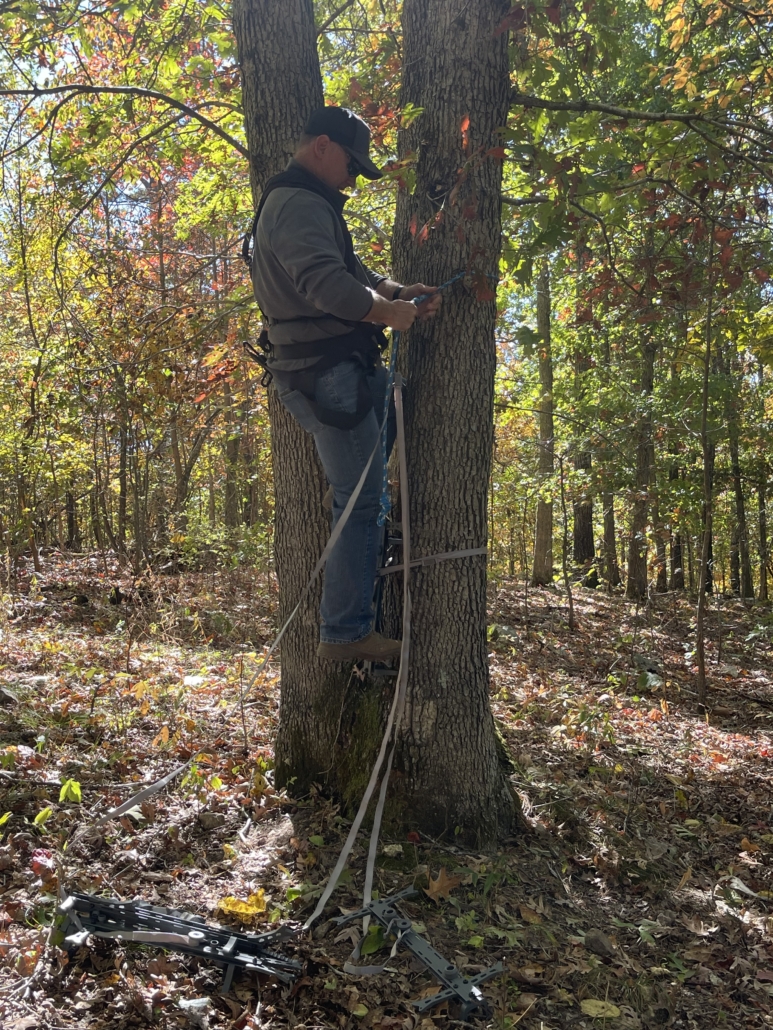
Use Proper Stands and Equipment: Use equipment designed to get into position easily and quickly. A stand setup such as the Hawk Helium Pro Hang On with the Helium 20” Sticks can be ready and in place quickly, minimizing your time and presence when setting up or relocating your stand.

Should You Move Your Treestand During The Rut

Time it Right: Choose the moments when deer activity is lower, such as midday or during lulls in the rutting action, to make your move. Another great time to move a treestand is during a rainstorm or when the weather has minimized deer movement. The rain also helps wash away any human scent before returning to the area to hunt.

When should you make a move on deer during the rut?

Understanding the different stages of the rut is crucial for deciding when to make your move. The rut can be broken down into three main phases: When to make a move can be determined in the same manner that one would decide hunting times.

Pre-Rut: Bucks are becoming more active and establishing their territories. This phase is an excellent time for treestand adjustments due to bucks making rubs and scrapes, which give hunters a visual of where their stand locations should be to get a buck into close range.

Peak Rut: During the height of the rut, bucks are most distracted and often less cautious. This is when you might consider staying put in your existing treestand location. Because bucks are pursuing does, they will likely be on their feet throughout the day. There is almost enough risk during this time of the rut to say, don’t move your treestand at all.

Post-Rut: As the rut wanes, deer behavior becomes more predictable. This is another good time to relocate your treestand. There is not as much as a free-for-all of bucks running around like they have no clue that you or any other danger is near. Moving your stand near a food source during the post-rut is a good idea because bucks want to re-stock food and energy after losing so much during the rut.

Best Equipment To Use When Wanting To Be More Versatile

Portable treestands are a game-changer for hunters looking to make swift treestand adjustments. Options like hang-on stands and ladder stands offer mobility and flexibility.

Hang-on stands are lightweight and easy to move, but you’ll need a compatible climbing method like sticks or steps. As mentioned earlier, The Hawk Helium is a great lightweight option for hunters who prefer playing a chess-like game of making moves until they are in the proper position to get within close range.

Ladder stands, though not as portable as the others, are sturdy and provide comfort, making them a good option for longer sits during the rut. A ladder stand such as the Hawk 20’ Big Denali 1.5 Man SLS Ladderstand is lightweight and easy to get into position, often by one or two hunters. The larger seat area of the Big Denali makes sitting all day during the rut more comfortable, which keeps the hunter focused and ready for action longer.

Should You Move Your Treestand During The Rut

The decision to move your treestand during the rut is complex and is often considered risky by hunters who want to harvest a mature buck. Still, with careful planning and execution, it can be a game-changing strategy. Whether you choose to relocate or remain in your current position, understanding deer behavior during the rut and the best time for adjustments is crucial. Embrace the challenge and adapt your tactics to maximize your hunting experience during this exhilarating time of year.

Bowhunting Hot Weather Bucks

With the first day of fall already passed, one often looks to cooler weather, pumpkins, and the changing colors of the leaves, not to mention cool sits in a tree stand while bowhunting.

I recently experienced unseasonable weather in my home state of Missouri; I woke every morning and immediately checked my hunting forecast on my Hunt Stand app. Sadly, the forecast eluded several days of temperatures in the mid-eighties to low nineties for a daily high. The truth is, during the early season, typically the last of September and into early October, the weather can still feel summer-like, no matter what season our calendar shows. Do not let the last hot days detour you from hunting; the bucks are still there.

A few years ago, I saw a mature buck regularly appear on my Stealth Cam Fusion cellular camera. Because his summer-like pattern was routine, I jumped at the chance to get in my tree stand when the wind direction was favorable, even with temperatures reaching nearly ninety degrees. To prevent bumping any deer out of the area, I was forced to get into my stand around 2:30 p.m., when the blistering sun was bearing directly down on me for the first couple of hours of being in my stand. When the sun finally made its way behind the tree line, my comfort level began to increase, and so did the deer movement. As planned, at 6:25 p.m., my hit list buck entered the field, then a short time later, presented me with a broadside shot at twenty-three yards. I made a successful shot on a mature, five-and-a-half-year-old buck. Although I had to do a speedy recovery and quick processing hours later due to the heat, I would do it again in a heartbeat if given the opportunity.

Early-season bowhunting can often present much warmer temperatures than desired for deer hunters. However, summer patterns and bucks not yet thinking of the rut can produce some of the most significant hunting days when pursuing a mature buck. The question it comes down to is, how bad do you want it?

In The Field Scent Control

Of course, when hunting in hot weather, you are going to sweat more often, and you are going to stink fast. That is if you ignore scent control.

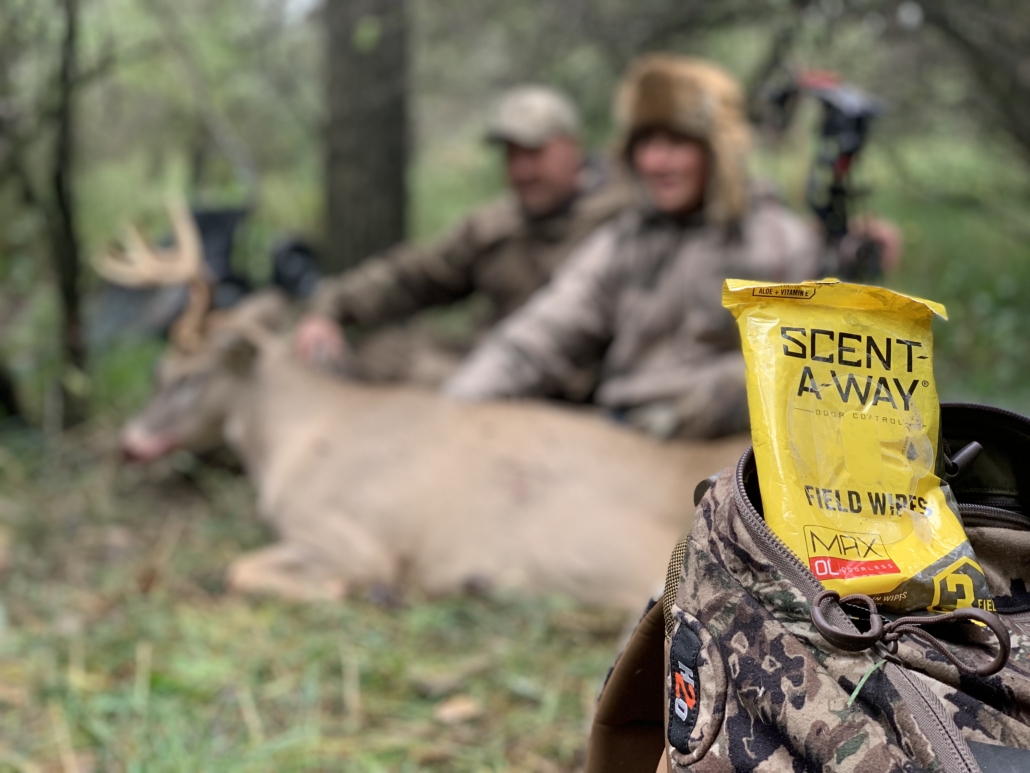
A complete regimen of scent control that features washing clothes in Scent-A-Way Detergent, showering with Scent-A-Way Soap and Shampoo, and spraying all hunting gear and your body with Scent-A-Way Odor Eliminating Spray is vital. A must to keep human scent under control—staying scent-free in the field while hunting becomes the most fundamental part of staying invisible to a deer’s nose in hot weather. When hunting hot weather, I often carry my Scent-A-Way Spray so that I can randomly spray down while in the stand to help eliminate any odors that have been created while sweating—another fantastic product to use while on the stand is the Scent-A-Way Field Wipes. The wipes help eliminate human odor from exposed skin, and the wet wipes can feel refreshing and cooling when forced to hunt in unseasonable warm weather. Paying attention to wind directions and the extra details of staying scent-free can help keep you invisible to a buck, even when he is in close range.

Bowhunting Hot Weather Bucks

Last Minute Success

Sitting in the stand until the last minutes of the day is typical for the best deer movement during an evening hunt. During my mentioned hunt, I was hunting from the Hawk 20’ Big Denali 1.5-Man SLS Ladderstand; because of the larger seat and the extra comfort when sitting for extended periods, I was at ease, even in the higher temperatures. Hunting from a more comfortable tree stand or an elevated blind can help tremendously when trying to sit restfully until that last light when deer movement is often at its peak.

There are many reasons why peak deer movement occurs at the last light during the early season and on hotter days. The first reason is that deer are still commonly in their summer feeding patterns at this time. They feed during the last hour of daylight, then continue moving throughout the night before returning to their bedding area early the following day. The second is the most obvious: it is too hot! Deer move during the last few minutes of the day because it is much more comfortable for them to do so.

A Drink In The Shade

We have learned when to hunt and how to stay scent-free when bow hunting in hot weather. Now, let’s discuss the best early-season setup.

To be in the best scenario to shoot a mature buck, staying cool and comfortable remains the most critical factor when it is hot. However, it isn’t just about the hunter’s comfort level when getting a big buck into archery range.  Deer need to be cool and comfortable, too, and finding a spot where that is most likely to take place will provide the best shot opportunities.

The ideal hot weather hangouts for mature bucks will be in wooded, shady areas where temperatures feel a bit cooler than when out in direct sunlight. The most ideal locations are in the bottoms of a deep ridge or underneath the heavier canopy of trees. Another excellent stand location for early season and hot weather is near a water source. A stand set up near a pond, creek, or river will more than likely produce a lot of deer movement when hunting. A mature buck may steer away from specific food sources or other areas where deer sign has been found. Yet, water is a must for survival, making a water source stand setup one of the best early-season hunts available.

In conclusion, hot weather should not deter dedicated bowhunters from pursuing their passion for chasing mature whitetail bucks during the early season. By prioritizing scent control, staying in the field until the last moments of daylight, and strategically positioning yourself near cool and comfortable deer hangouts, you can increase your chances of success even when the mercury rises. Bowhunting in hot weather may come with challenges, but as my experience has shown, the rewards can be well worth the effort. So, don’t let the heat keep you out of the woods; embrace the opportunity and make the most of those early-season days. After all, the pursuit of the elusive mature buck keeps us coming back, regardless of the weather.